
The Problem Isn’t Traffic, It’s Strategy
Most businesses are not overwhelmed by how hard they have to work. They have the problem of no clarity.
Some spend months on SEO and give up when their efforts do not produce results. Others go on spending heavily for ads and finally meet with ever-increasing costs from which they cannot hold. In both cases, the underlying problem is the same: a fundamental misunderstanding of SEO and SEM.
- Searching is different much different. Now users have come to expect:
- Immediate answers when they want to buy
- Full Content when researching
This change has one clear implication: the day when you could count on a single channel is now behind you.
The companies that consistently grow don’t have to make a choice between SEO or SEM they use both SEO and SEM strategically to win.
Understanding SEO and SEM Beyond Definitions
Search Engine Optimization (SEO) is the practice of increasing the quantity and quality of traffic to your website through organic search engine results. The process includes content development, technical adjustments, backlinks, and enhancements to the user experience. The aim is to get traffic without having to pay for every click.
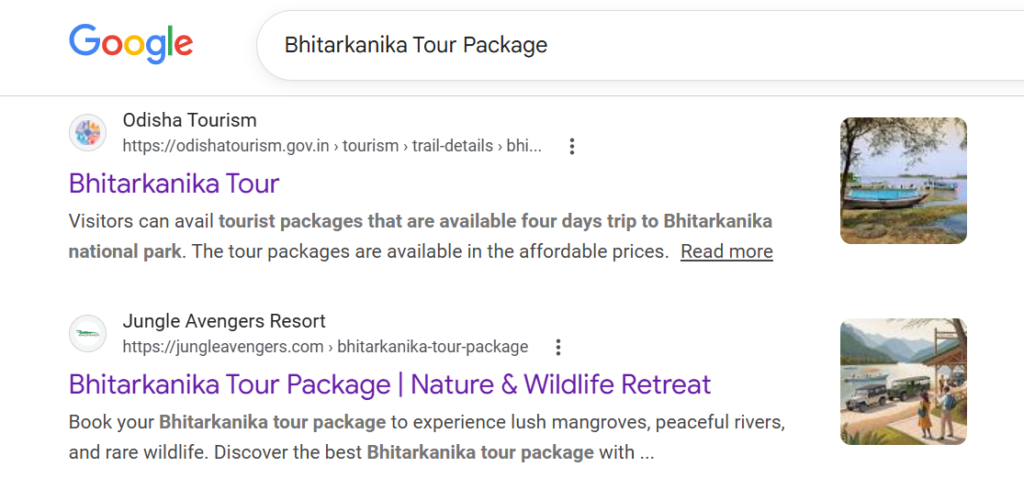
Search engine marketing (SEM) is buying your way to the top of the page. Platforms such as Google Ads enable businesses to pay to be shown at the top of search results immediately for specific keywords.

In simple terms:
- SEO allows you to gain visibility over time.
- SEM is a way to buy visibility now.
What really matters is how they differ in terms of growth. So, what is the difference between SEO and SEM? SEO creates a long-term asset, whereas SEM is a performance-based approach designed to generate immediate traffic and growth. In most cases, SEO takes several months before you start seeing consistent results.
SEM works differently. The moment machine.
SEO vs SEM: The Core Differences That Actually Matter
The biggest difference between SEO and SEM is the speed of results. SEO is gradual. It takes time for content to rank, authority to your campaign goes live, your website can start receiving traffic. This makes it ideal for situations where speed matters.
Another major difference is cost structure. SEO requires investment in content, tools, and expertise, but once rankings are achieved, traffic continues without paying per click. SEM operates on a pay-per-click model, meaning your visibility is directly tied to your budget.
From an ROI perspective, SEO delivers compounding returns. A well-optimized page can generate traffic for years. SEM delivers faster results but requires constant optimization to remain profitable, especially in competitive industries.
There is also a clear difference in user behavior. Organic results tend to attract more trust because they are perceived as unbiased. Paid ads, while effective, are clearly labeled and may not carry the same level of credibility for all users.
Where SEO and SEM Fit in the Customer Journey
The real power of SEO and SEM becomes clear when you align them with user intent.
At the awareness stage, users are exploring and learning. They search for topics like “what is SEO” or “SEO vs SEM difference.” SEO performs best here because detailed content can answer these queries effectively and attract organic traffic.
In the consideration stage, users start comparing options. This is where both SEO and SEM work together. SEO builds trust through valuable content, while SEM ensures your brand remains visible during decision-making.
At the conversion stage, intent becomes highly specific. Users search for terms like “hire SEO agency” or “best SEO services near me.” SEM is highly effective here because it captures users who are ready to take action.
Businesses that fail to map their strategy to this journey often generate traffic without conversions or overspend on ads without building long-term value.
How SEO and SEM Work Together in Real Strategy
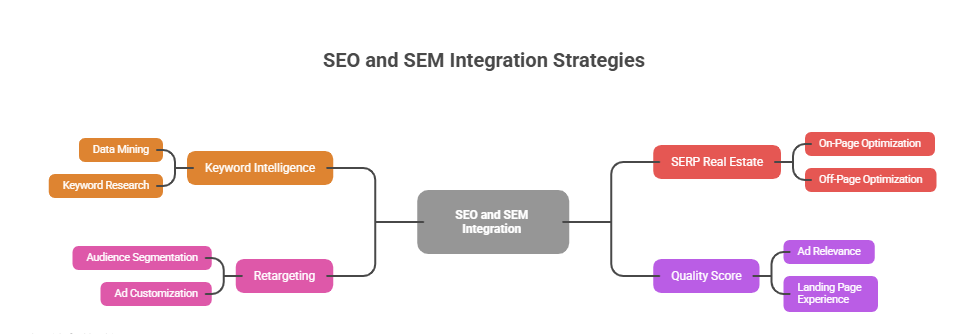
SEO and SEM are most effective when they are not treated as separate efforts.
A smart strategy begins with understanding keyword intent. Informational keywords are better suited for SEO, while high-intent transactional keywords perform well in SEM campaigns. However, the real advantage comes from using data across both channels.
For example, SEM campaigns can quickly reveal which keywords generate conversions. This insight can then be used to guide SEO content, ensuring that organic efforts focus on high-value opportunities.
At the same time, users who visit your website through organic search can be retargeted using paid ads. This creates multiple touchpoints and significantly improves conversion rates.
As SEO performance improves, businesses can gradually reduce ad spend on certain keywords and reallocate budgets more efficiently. This balance helps control costs while maintaining growth.
Cost vs ROI: A Practical Perspective
One of the biggest misconceptions is that SEO is free. In reality, it requires consistent investment in content, tools, and strategy.
However, SEO becomes more cost-efficient over time. Once your pages start ranking, traffic continues without additional cost per click.
SEM delivers immediate traffic but requires ongoing spending. In competitive industries, cost-per-click can increase significantly, making it essential to optimize campaigns continuously.
In the long run, businesses that invest in both SEO and SEM tend to achieve a lower customer acquisition cost compared to those relying on only one channel.
Common Mistakes That Limit Growth
Many businesses struggle because of execution, not effort.
Some rely entirely on SEM, which leads to increasing costs and dependency on paid traffic. Others invest in SEO but expect immediate results and give up too early.
A major issue is ignoring search intent. Driving traffic without aligning content or ads with user intent results in low conversions.
Another common mistake is treating SEO and SEM separately. Without sharing insights between both channels, businesses miss valuable opportunities to improve performance.
Poor landing page experience is another critical factor. Even with strong SEO or SEM efforts, weak landing pages can reduce conversions significantly.
When Should You Prioritize SEO vs SEM?
The decision depends on your business goals and timeline.
SEO is the right choice when you want to build long-term visibility, establish authority, and reduce dependency on paid channels. It works especially well for businesses targeting research-driven audiences.
SEM is ideal when you need immediate results. It is highly effective for product launches, high-intent keywords, and time-sensitive campaigns.
In most cases, the best strategy is not choosing one over the other, but combining both in a structured way.
The Strategic Advantage of Combining SEO and SEM
Businesses that integrate SEO and SEM gain a clear competitive advantage.
SEO ensures long-term visibility and brand authority, while SEM provides the flexibility to capture demand instantly. Together, they create a balanced system that drives both traffic and conversions.
This approach also improves data accuracy, targeting, and overall marketing efficiency. Over time, it leads to better ROI and a more sustainable growth model.
Conclusion: SEO vs SEM is Not a Choice It’s a Growth System
The question is no longer whether SEO is better than SEM.
The real question is how effectively you can use both together.
SEO builds your foundation. SEM accelerates your growth. When combined strategically, they create a powerful system that drives consistent traffic, qualified leads, and scalable revenue.
Businesses that understand this move beyond short-term tactics and focus on building a long-term growth engine.
FAQs
1. What is the main difference between SEO and SEM?
SEO focuses on organic traffic, while SEM uses paid ads for immediate visibility.
2. Which strategy delivers better ROI?
SEO delivers better long-term ROI, while SEM provides faster short-term results.
3. How long does SEO take to show results?
SEO typically takes a few months to generate consistent results.
4. Is SEM necessary if I am doing SEO?
It is not mandatory, but it significantly improves speed and conversions.
5. Can SEO and SEM work together?
Yes, combining both creates the most effective and scalable strategy.
Also read: digital-marketing-agencies-how-they-help, digital-marketing-projections-for-2026, what-is-content-marketing, seo-vs-paid-ads-in-2025-best-marketing-investment, seo-mistakes-to-avoid-search-intent, llm-seo-guide, On Page SEO Checklist, Social Media Algorithms, The Top Digital Marketing Agency in USA, User Generated Content in Digital Marketing, How AI is Changing Digital Marketing, SEO Services in Agra, Best SEO Company in Agra, AEO vs SEO